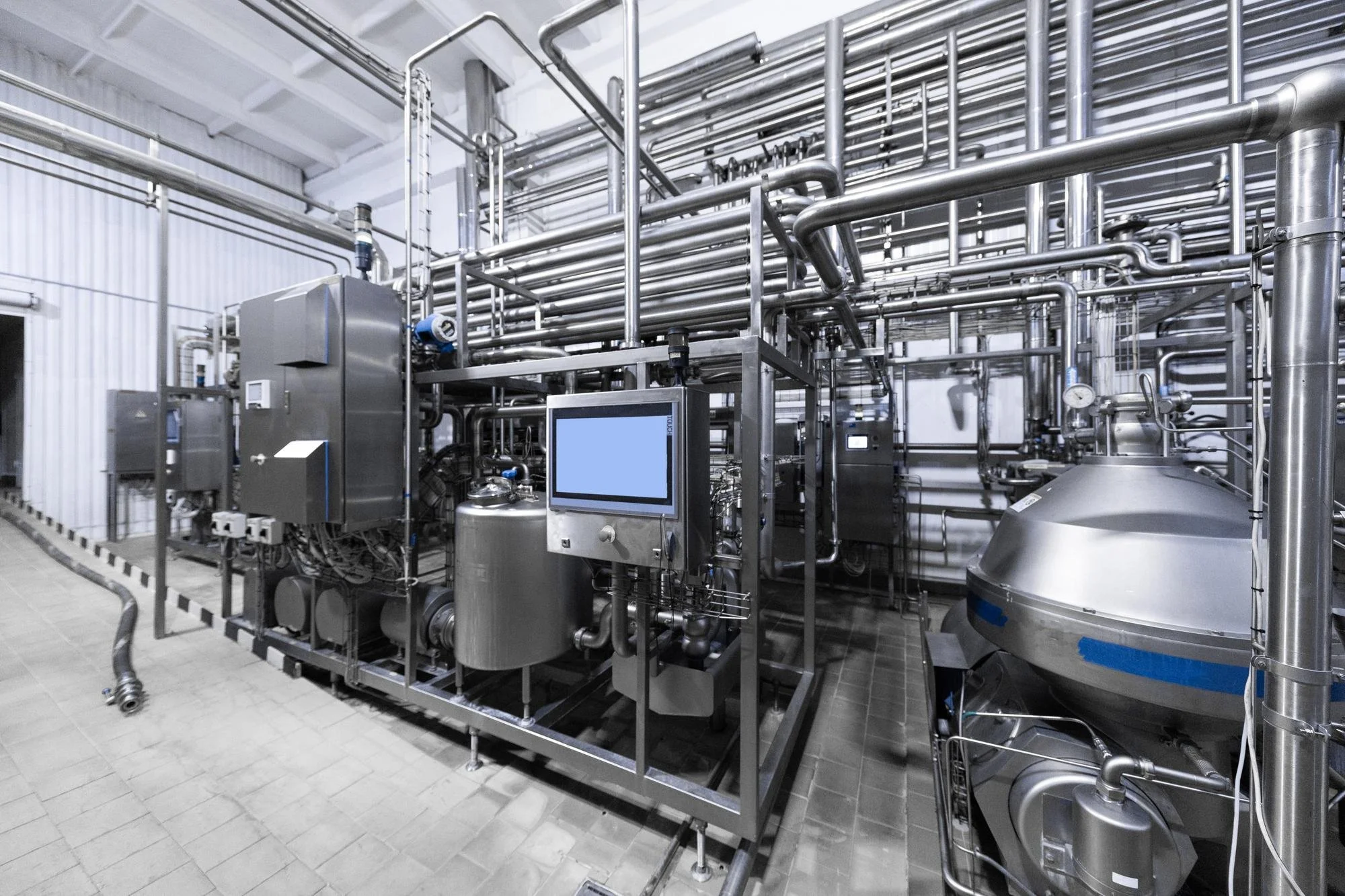
Offline PLC and SCADA Design
We develop customized offline PLC and SCADA control system designs specifically engineered for packaging, filling, and processing machinery. Our solutions optimize automation sequences, machine coordination, and real-time data monitoring to ensure precise, efficient, and reliable operation across complex FMCG production lines. This offline design approach enables thorough testing and verification of control logic and user interfaces prior to implementation, reducing risks and downtime during deployment.
Before on-site commissioning, we perform detailed simulation and virtual commissioning of the complete control system. This digital testing replicates production line operation, allowing us to validate and fine-tune control logic, machine interactions, and safety functions in a risk-free environment. By identifying and resolving issues virtually, we minimize commissioning time, production disruption, and costly on-site adjustments. This proactive step delivers a smoother, faster startup and higher confidence in system performance once live.

FMCG
On Site Commissioning
Our expert engineers provide comprehensive on-site commissioning services, ensuring all control systems and machinery components are installed, configured, and calibrated precisely according to design specifications. We perform meticulous I/O testing to verify each sensor, actuator, and control signal functions correctly within the production environment. During production startup, we support system validation and fine-tuning to achieve smooth, reliable operation and meet quality and throughput targets. Our team works closely with your operators and maintenance staff to facilitate knowledge transfer and ensure long-term operational success with minimal downtime.
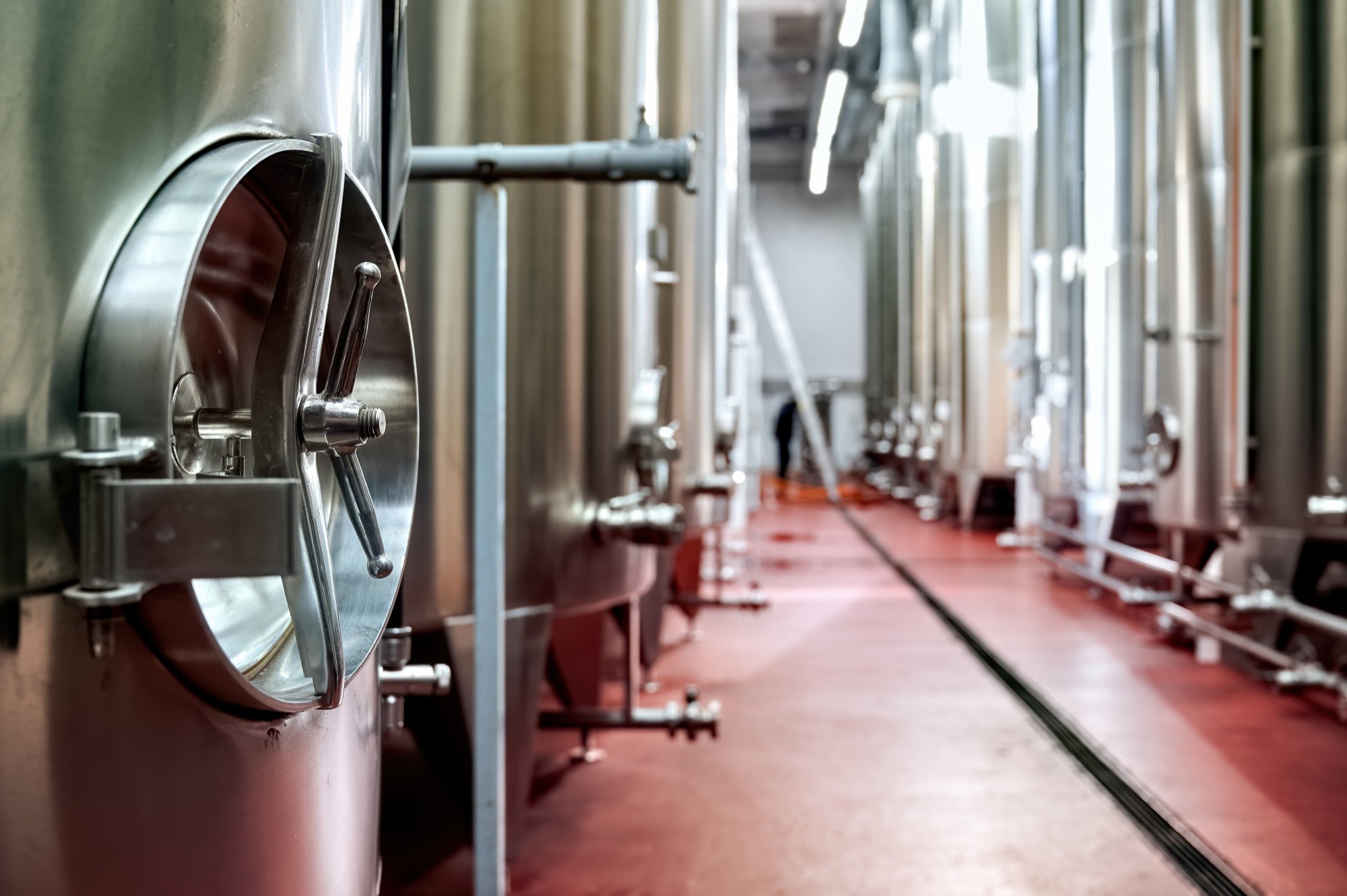
Product Testing
We conduct thorough line testing beginning with dry cycling, which exercises the production line equipment under simulated operating conditions without introducing product or liquids. This dry run verifies mechanical and electrical functionality, ensuring the system operates smoothly and safely. Following successful dry cycling, wet testing is performed with actual product or fluids to validate fill levels, leak detection, sensor accuracy, and overall product integrity. This two-step process guarantees quality, traceability, and system performance before full production, minimizing risks of defects and production interruptions.